
Harborough Lofts is led by John, a carpenter and construction professional with more than twenty years of practical site experience and involvement in over fifty loft conversions. That experience helps us look beyond the drawings and consider how the structure, staircase, headroom, insulation, fire safety and final room layout need to work together.
Loft conversions are our main focus. Every enquiry starts with the property itself, what you want the new floor to achieve and whether the available roof space can support a sensible design. If the project looks suitable, we can help establish the next practical steps for design, structural calculations, approvals and construction.
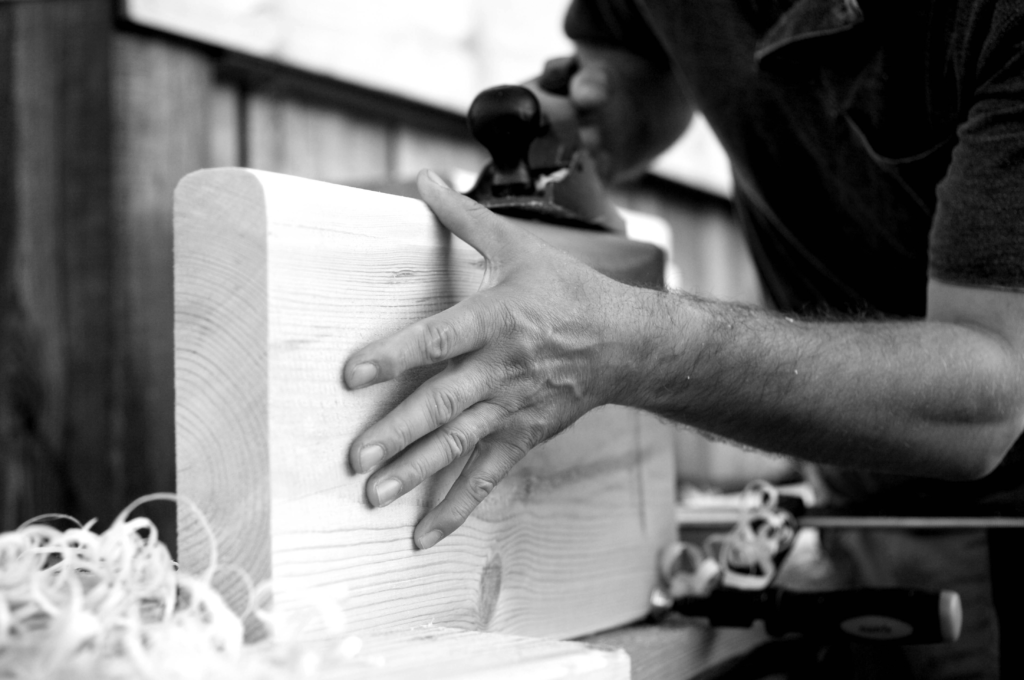
There is no single loft layout that suits every property. We assess the existing roof, available headroom, staircase position, neighbouring properties and the rooms you want to create before recommending a practical conversion route.
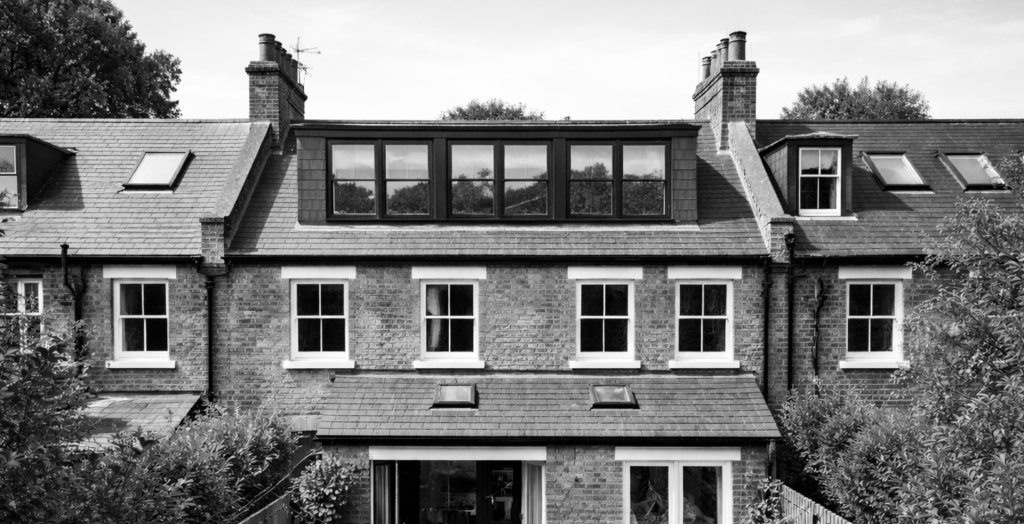
Rear and side dormers can create valuable full-height floor space for bedrooms, bathrooms, ensuites or home offices. The design needs to balance usable internal space with planning rules, roof structure, drainage, insulation and the appearance of the existing house.
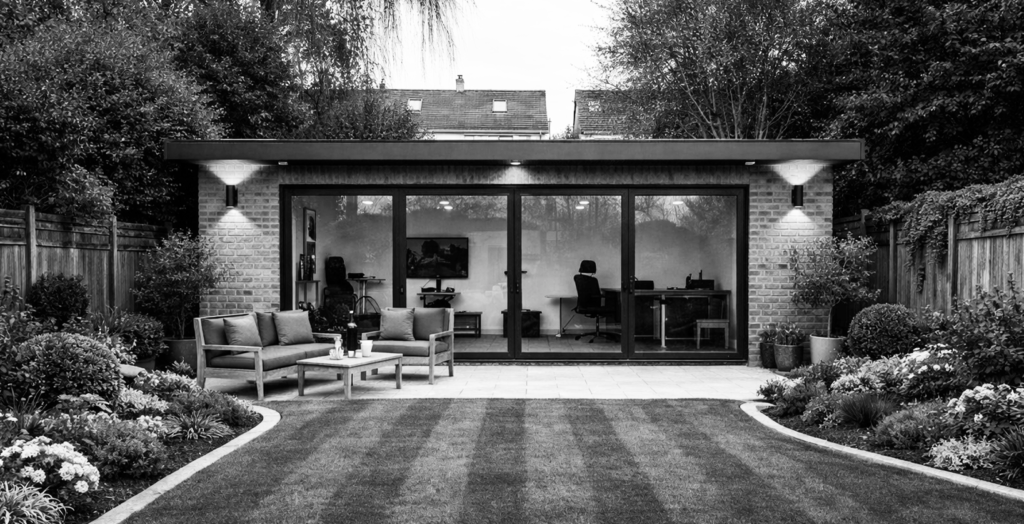
Where the roof and planning position allow, a hip-to-gable conversion can increase usable width and often works well alongside a rear dormer. Some properties suit a simpler rooflight conversion, retaining more of the existing roof while introducing daylight and ventilation.
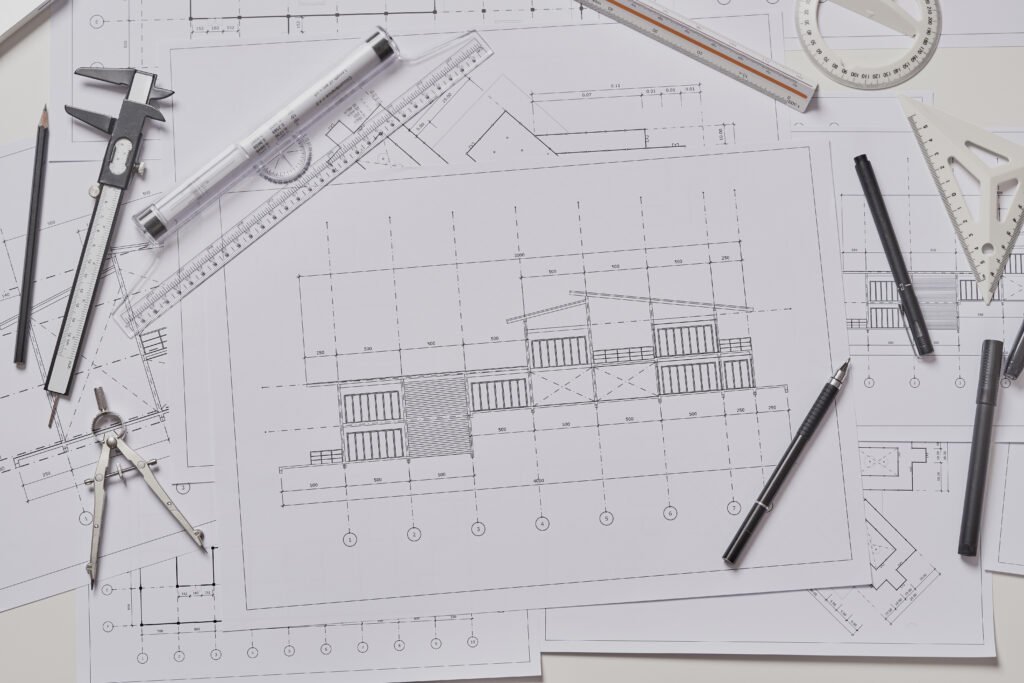
Before construction begins, the layout, staircase, structure and approval route need to be properly resolved. We can help review early feasibility and coordinate the drawings, structural information and practical build considerations required to define the job clearly.
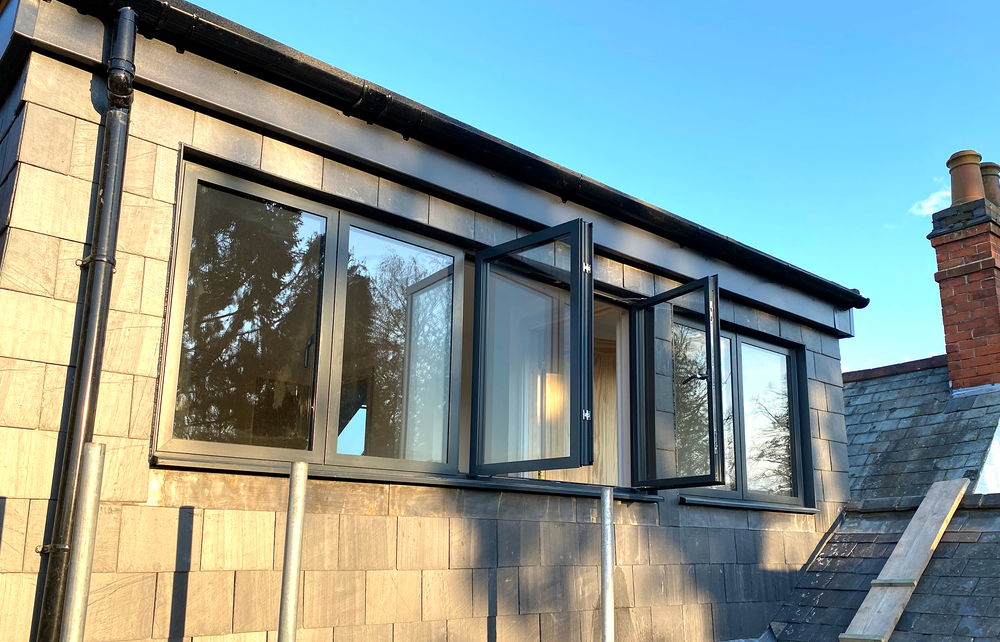
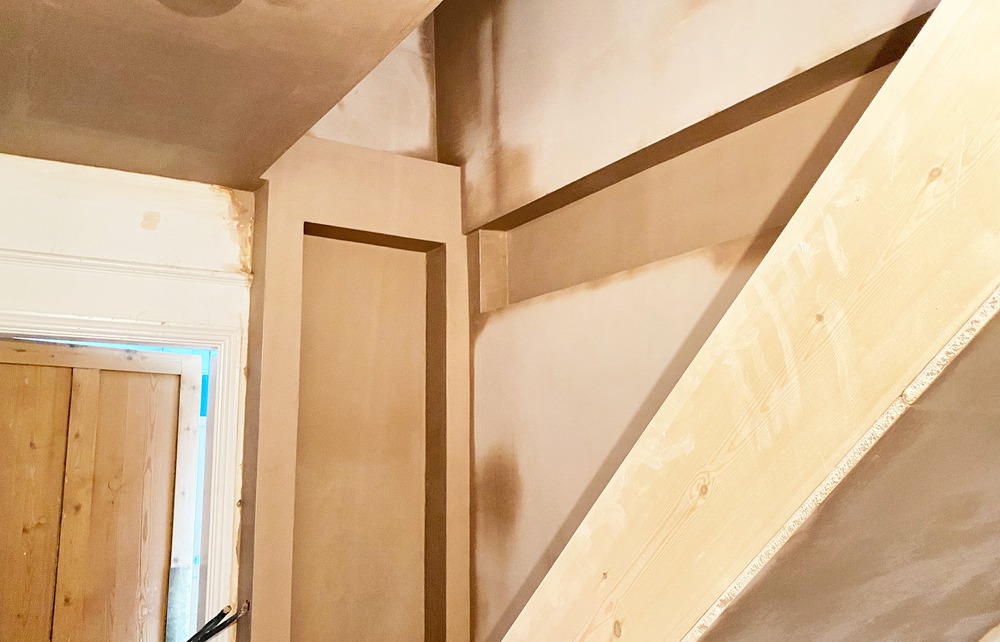
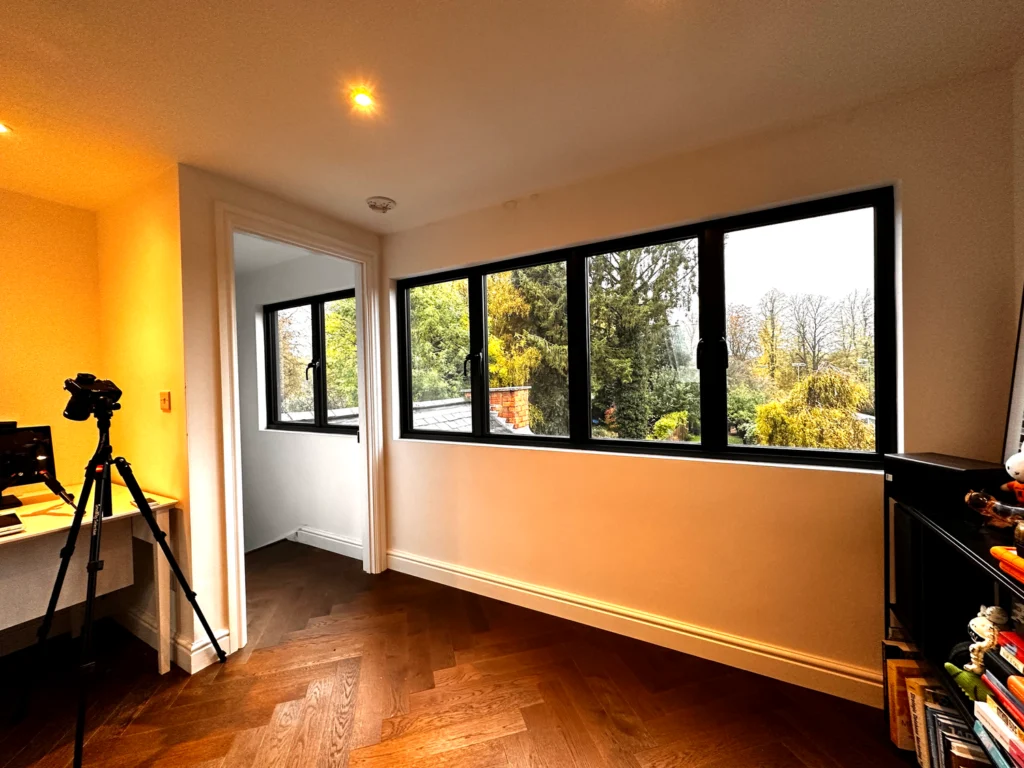
This was a lovely dormer loft conversion on one of the Victorian terrace properties near the park in Great Bowden, Market Harborough. The client wanted to make better use of the roof space by creating a large, comfortable office that could also become an additional bedroom in the future.
Working with architectural consultants MWS in Market Harborough, we completed a spacious loft conversion with an en-suite bathroom, a full-length loft window and plenty of natural light. The large window was a key part of the design, making the most of the open views over the park and helping the new room feel bright, calm and properly connected to the rest of the home.
As part of the project, we also built bespoke built-in bookcases into the oak stairway and fitted engineered oak herringbone flooring, giving the finished space a warm, high-quality feel. The result was a practical but characterful room that works perfectly as a home office now, while giving the client the flexibility to use it as a bedroom suite later.
The client was very happy with the finished conversion, and it is a great example of how a well-designed loft can add useful living space, improve the flow of a property and increase long-term flexibility.
If you are considering a loft conversion in Market Harborough, Great Bowden or the surrounding villages, please start with our project enquiry form so we can review your property and plans.
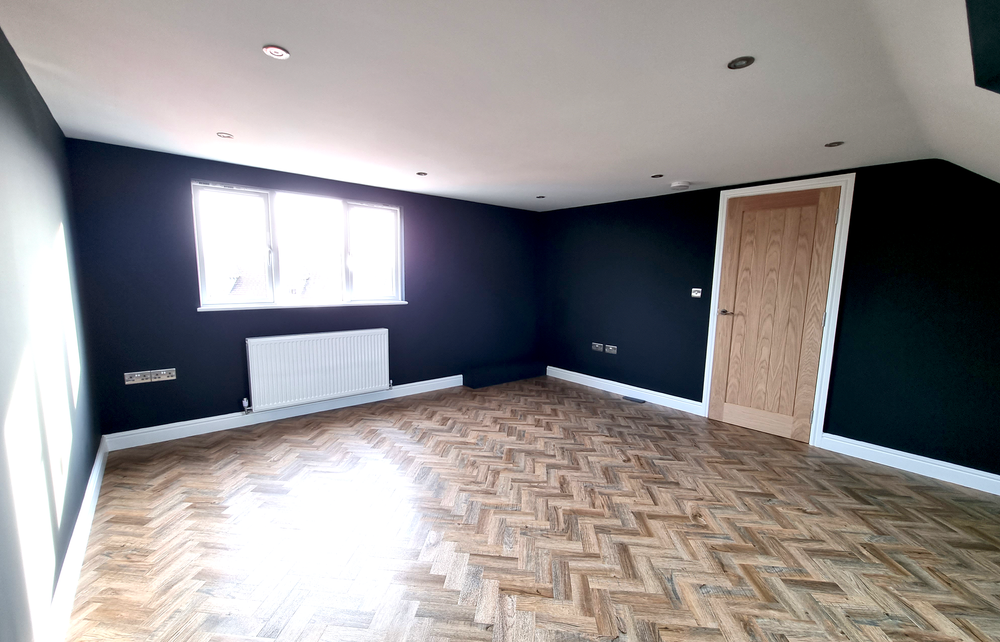
This completed rear dormer loft conversion in Desborough transformed underused roof space into a bright new bedroom and bathroom, giving the property a genuinely useful additional floor. The work began with the structural steel installation before the rear dormer, rooflights and new staircase were formed. Once the main structure was in place, we completed the internal fit-out so the new rooms felt like a natural part of the house rather than an add-on.
The client documented the project as it progressed, which gives a clear view of both the construction stages and the finished conversion. It is a strong example of how a carefully planned dormer can improve headroom, daylight and day-to-day practicality without extending the footprint of the property. The result added valuable living space while making far better use of the existing roof.
You can view the full Desborough project page for the construction and completed photographs. If you are planning a loft conversion in Desborough, Kettering or the surrounding area, send us your property details and plans through the enquiry form and we can review what may be possible.
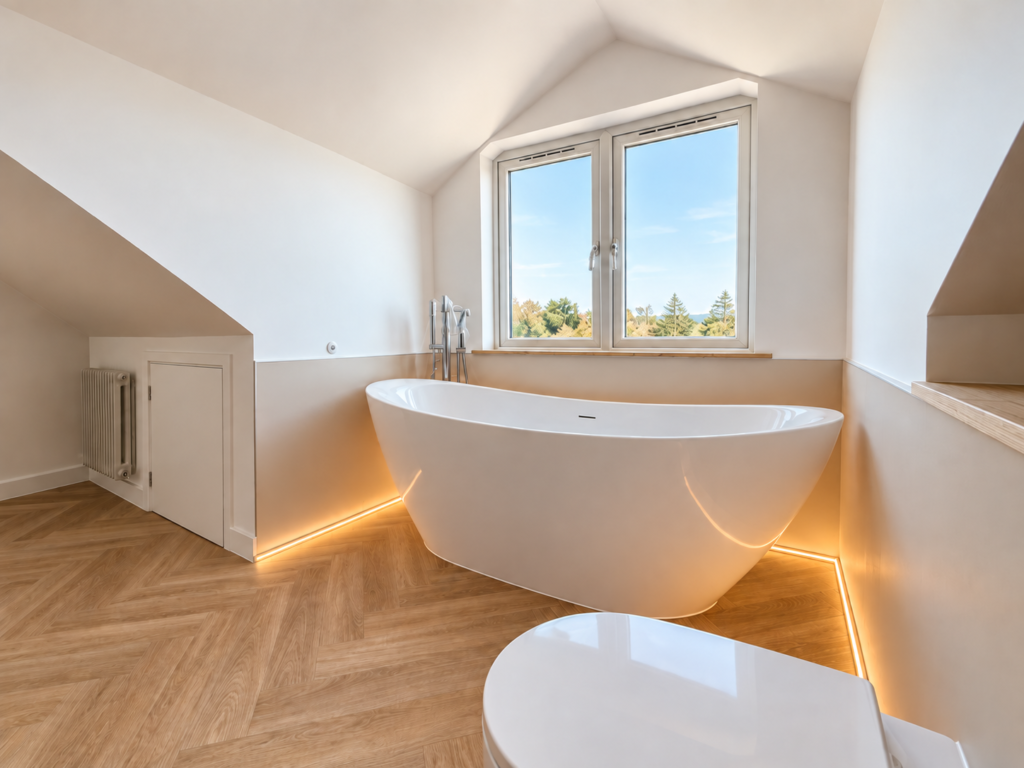
This Great Bowden project created a dedicated master bathroom within the converted roof space, turning an awkward part of the loft into a practical, well-finished room. The layout was planned around the sloping ceilings and eaves so the available headroom could be used properly, while the fixtures and storage were positioned to keep the space comfortable and easy to use.
The finished bathroom is a strong example of what can be achieved when the internal layout is considered alongside the loft structure from the start. Rather than treating the bathroom as an afterthought, the design makes it feel like a natural part of the new floor and gives the homeowners a useful private space that supports the rest of the loft conversion.
The completed photographs show the quality of the fit-out and the way the roof shape has been incorporated into the room. If you are considering a loft conversion or master suite in Great Bowden, Market Harborough or a nearby village, send us your plans and property details through the enquiry form so we can assess the space and advise on the next step.
The right solution depends on more than the size of the roof. Ridge height, pitch, property type, chimney positions, neighbouring roofs and the location of the new staircase all influence what can be achieved. The aim is not simply to add floor area, but to create rooms that feel connected to the rest of the house and remain practical to heat, furnish and use.
A dormer extends part of the roof to provide additional headroom and floor space. It is a common solution for creating a main bedroom with an ensuite, two smaller bedrooms or a bedroom and office. The exact form depends on the property and the relevant planning constraints.
On suitable semi-detached or detached homes, changing a sloping hip into a vertical gable can unlock width that would otherwise be difficult to use. It is often combined with a rear dormer, subject to design, structural requirements and local planning rules.
A rooflight conversion works within much of the existing roof profile. Where headroom and floor area are already sufficient, it can provide a bright bedroom, study or hobby room with less external alteration than a dormer-based design.
A successful conversion begins with clear information. We use the early stages to understand the property, intended rooms, likely budget position and whether drawings already exist. That avoids rushing into a site visit or quotation before the important practical questions have been answered.
Send the property address, photographs, basic measurements, intended use and any available plans through the enquiry form. We review the information and explain whether the loft appears worth taking to the next stage.
Where the project is viable, the proposed layout, staircase, headroom, structure, insulation and approval route are developed in more detail. Clear drawings and structural information make pricing and construction far more reliable.
Before work starts, the scope, payment stages, material requirements and expected sequence should be agreed. Loft work affects an occupied home, so access, weather protection and communication need to be planned rather than improvised.
The structural shell, roof, windows and insulation are followed by the staircase, partitions, services, plastering and agreed internal finishes. The objective is a compliant new floor that feels like a permanent part of the original home.
Harborough Lofts works across Market Harborough and the surrounding parts of Leicestershire, Northamptonshire and Rutland. Our completed work includes projects in Great Bowden, Desborough and Ridgeway, with further portfolio pages being prepared for Northampton, Rushden, Corby and Oakham.
Local experience matters because property styles and roof forms vary considerably across the area—from Victorian terraces and traditional village homes to post-war semis and newer housing estates. Each one creates different questions around access, staircase position, party walls, planning and the amount of usable space available.
See our project portfolio, including a completed Desborough dormer loft conversion and our Great Bowden project near Market Harborough. Additional real project case studies will be added as the original photographs and specifications are prepared.
Many houses have potential, but suitability depends on usable headroom, roof structure, floor area, staircase position and the rooms required. Photographs and approximate measurements can help with an initial review, but drawings and a site assessment may be needed before the design can be confirmed.
Some loft conversions can be completed under permitted development rights, while others require a planning application. The answer depends on the property, previous alterations, the proposed roof changes and any local restrictions. Building Regulations approval is separate and is normally required.
The staircase is one of the most important design decisions. It must provide safe access and satisfy the relevant requirements without damaging the usefulness of the existing floor below. Resolving it early prevents a large loft room being created at the expense of an awkward or compromised house layout.
In many cases, yes. Much of the early structural work can be approached through the roof before the new staircase opening is formed. Every property and programme is different, so access, protection, working hours and the stages that affect the occupied areas should be agreed before work begins.
Cost depends on the conversion type, size, structure, staircase, windows, bathrooms, finishes and site constraints. A reliable figure needs a defined scope and suitable drawings rather than a headline price based only on floor area. Our enquiry process helps establish whether the project and budget are realistic before detailed pricing.
Complete our project enquiry form with details of your property and plans. We review the information first and decide the appropriate next step; a site visit is arranged only where suitable.
The property and proposed layout are reviewed before suitable drawings, structural input and approval routes are agreed. Independent specialists can be involved where required.
Once the scope, approvals and start arrangements are agreed, construction can begin. Programme length depends on the design, property and work involved, with progress discussed throughout.
At completion, the finished work is reviewed with the homeowner and relevant documentation is handed over where applicable. Any final points can be discussed before the project is closed.